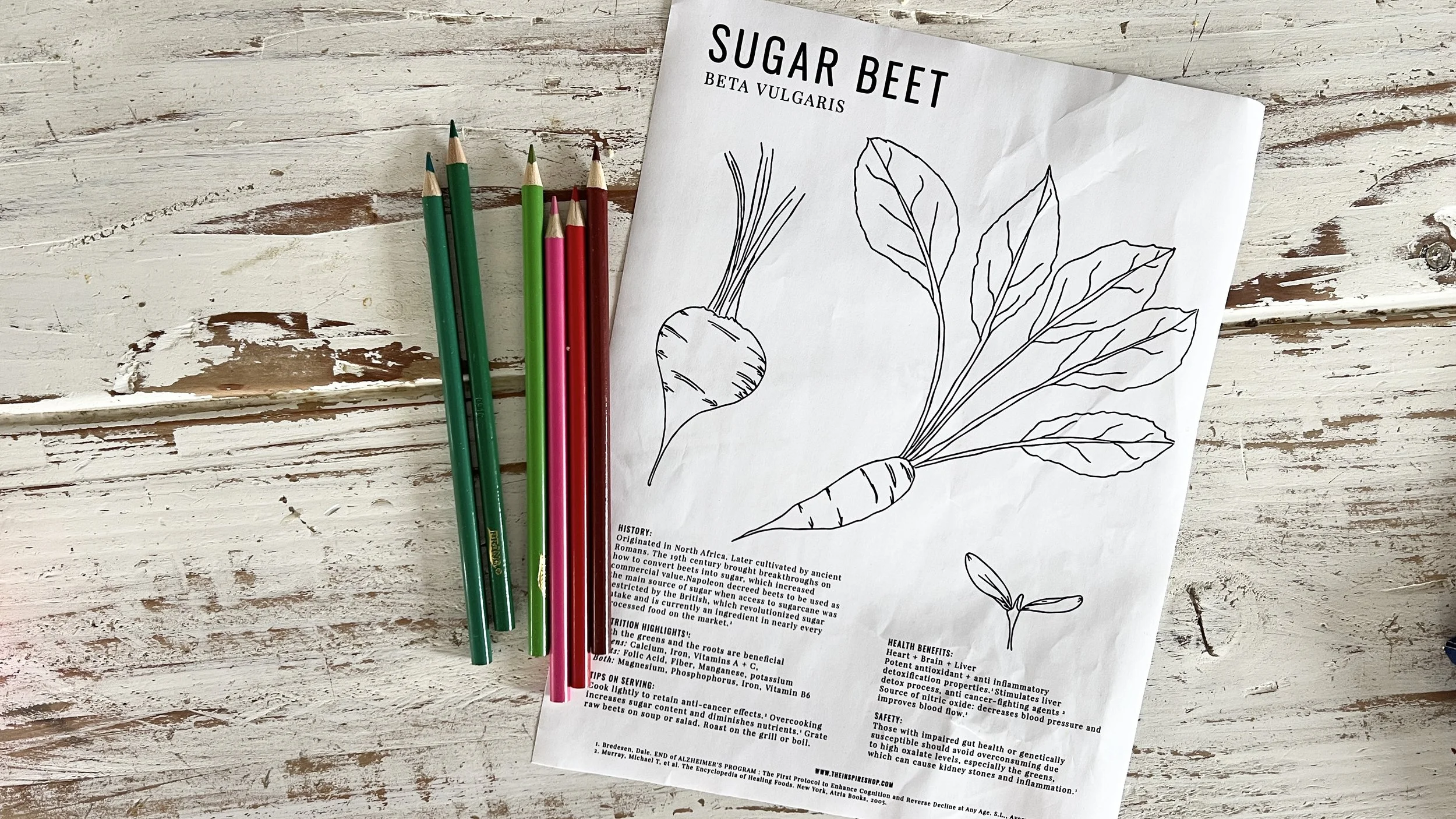
who's got the beet? (food profile: sugar beet + coloring page)
Tiffany, you do not eat sugar.
These words make me laugh and I can still hear them as if they were just spoken. Though the situation in which they were said was anything but joyful for me, the statement itself was true. I had cut out sugar from our diets several years before and in a season of crazy spiritual warfare full of uncontrollable thoughts, emotions and physical ailments, I opened the flood gates of sugar back into my home.
Sugar never seemed like a big deal. Sugar was my go to. I ate cake and ice cream for breakfast. Raw cookie dough had its place in my fridge to enjoy spoonfuls throughout the day or enjoy a quick pazookie with Ricardo after dinner.
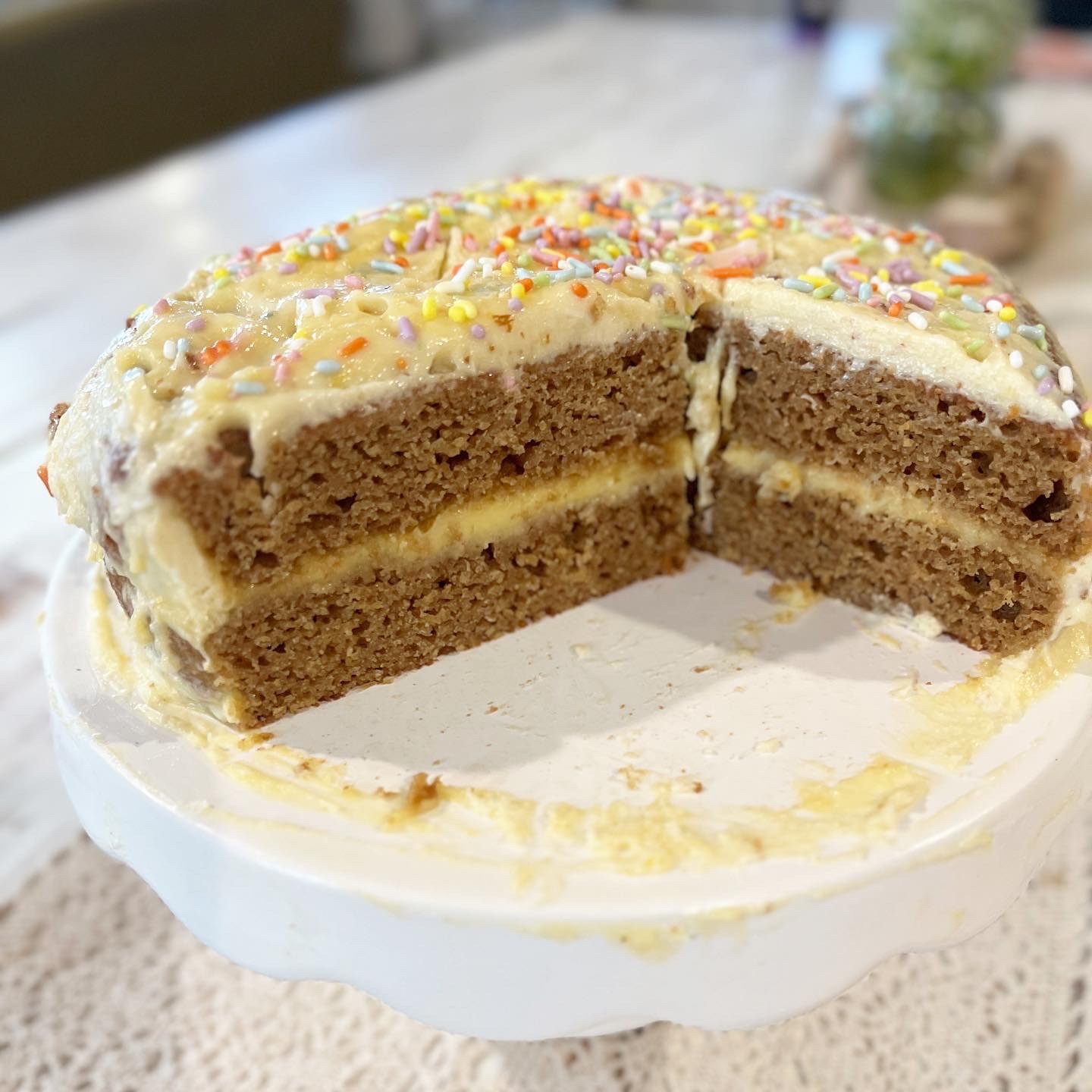
I grew up an avid baker, not thinking anything of throwing two cups of sugar into lemon bars or 2 1/4 cups into chocolate chip cookies. Ten pound bags of sugar disappeared from my shelf in hardly any time as I made cupcakes for birthdays, brought homemade cinnamon rolls to the college group and homemade kettlecorn for neighbors.
My high school chemistry teacher, whose father had helped create the A-Bomb, once measured out the forty grams listed on the soda can in her hand to give us a visual of just how much sugar was inside. I was intrigued to see the pile steadily increasing but was accustomed to pouring cups of sugar into the lemon bars I regularly brought to school to share with friends; completely desensitized to mounds of sugar granules. I had no clue what it was doing to my body.
After being told the impact of sugar on the brain in 2017, I searched for ways to help my toddlers, who had yet been given any sorts of diagnosis but had some behaviors. My research inclined self went on a hunt to see the effects of sugar on the brain and body; shocked to see how it reacts like cocaine in the brain and aids in just about every disease development of the body including cancer, inflammation and Alzheimer's.
Fast forward to now, sugar has once again been out of my home minus a few items I have not made the time to switch over but this quote pretty much sums up my feels for sugar:
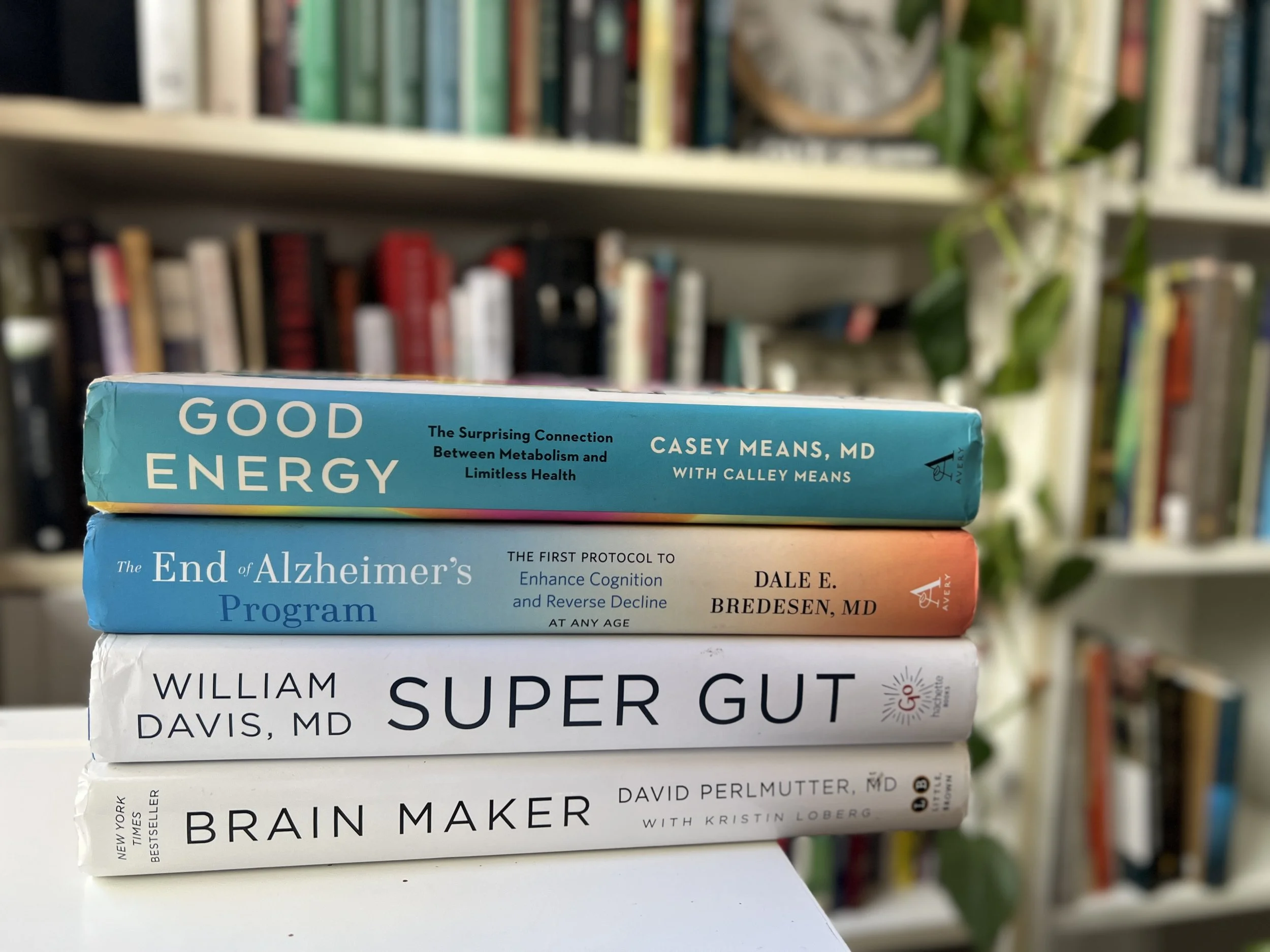
“As you may already have heard from any of a number of excellent books written on the subject, sugar is an addictive poison! The ATF—the Bureau of Alcohol, Tobacco, Firearms and Explosives-might appropriately consider becoming the ATFS and adding sugar to its list of controlled substances, given the widespread damage wrought by high sugar intake. The human body is not designed to process more than about 15 grams per day of sugars, far less than in one soft drink (which has 40 to 100 grams, depending on the size of the soft drink), but our diets are laced with them, from sugary sodas to candy to sweet cereals and sweetened yogurts—even store-bought bread.” -Dale Bredesen, The End of Alzheimer’s
Did you know that processed sugar can be derived from beets, not just sugar cane?
I had no clue. Growing up I loved adding beets to my salad, though I only knew their canned, precut form. I could not pick out a fresh beet if I had to and I would never have thought it could be turned into sugar.
The part that always appeals to me is the potent color of beets, how it soaks into everything it touches. It is perfect for using as a natural dye, which is why it has been for centuries. Yet, from sugar’s white grains, one would not know, especially since the ingredients listed on a bag of sugar is just sugar. But what is it?
After digging into the origins of sugar, I discovered Napoleon’s decree for beets to be used as the main source of sugar when access to sugarcane was restricted by the British in the 19th century, which revolutionized sugar intake.
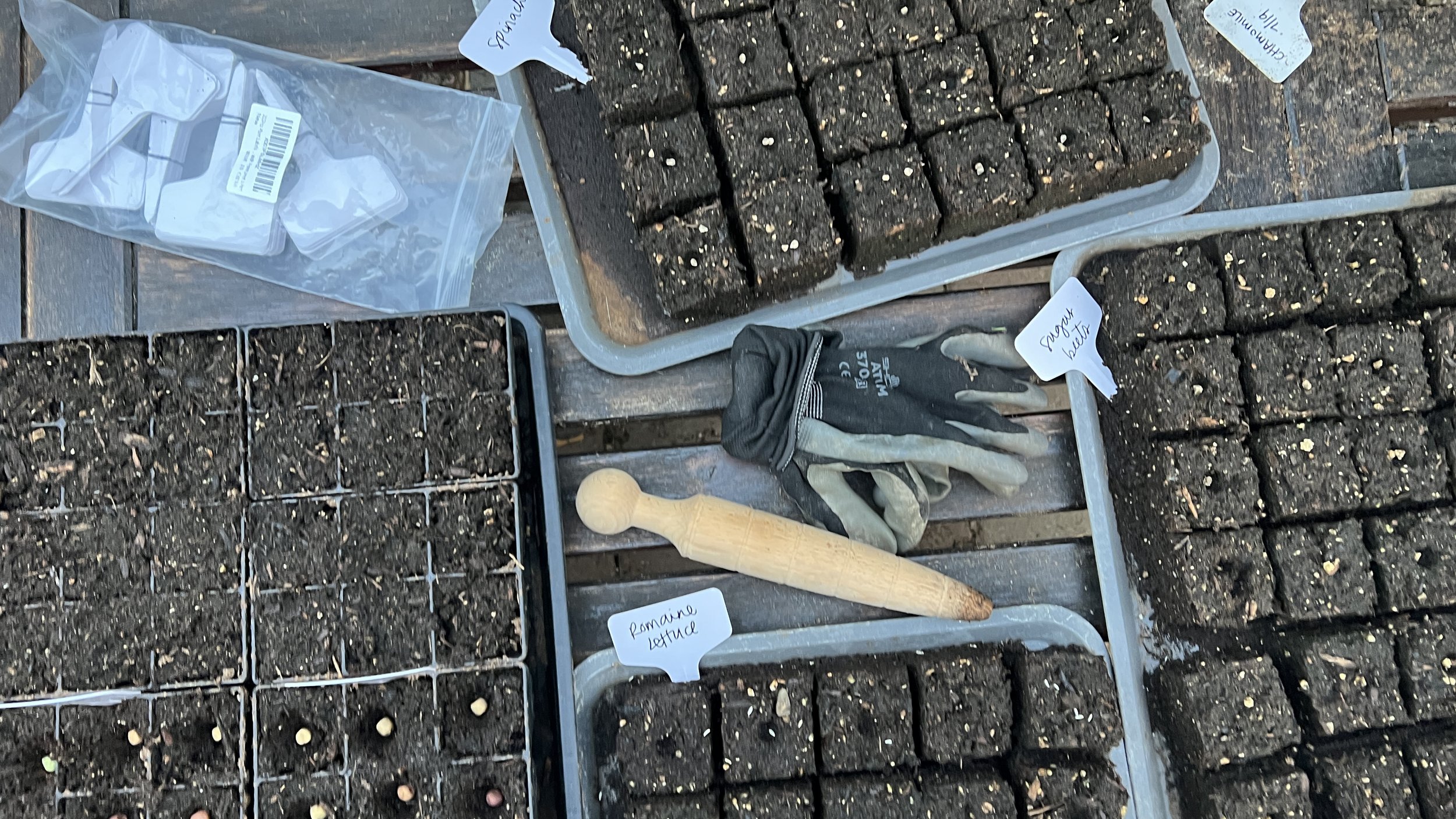
I ordered sugar beet seeds to see the original work of art, unprocessed and full of nutrients. I was excited to see them pop up in the garden, their gorgeous leaves with purple veins among the other greens. They actually grew quite well and easily, to my surprise as I had struggled with other beet varieties.
How does a beet go from purple to white?
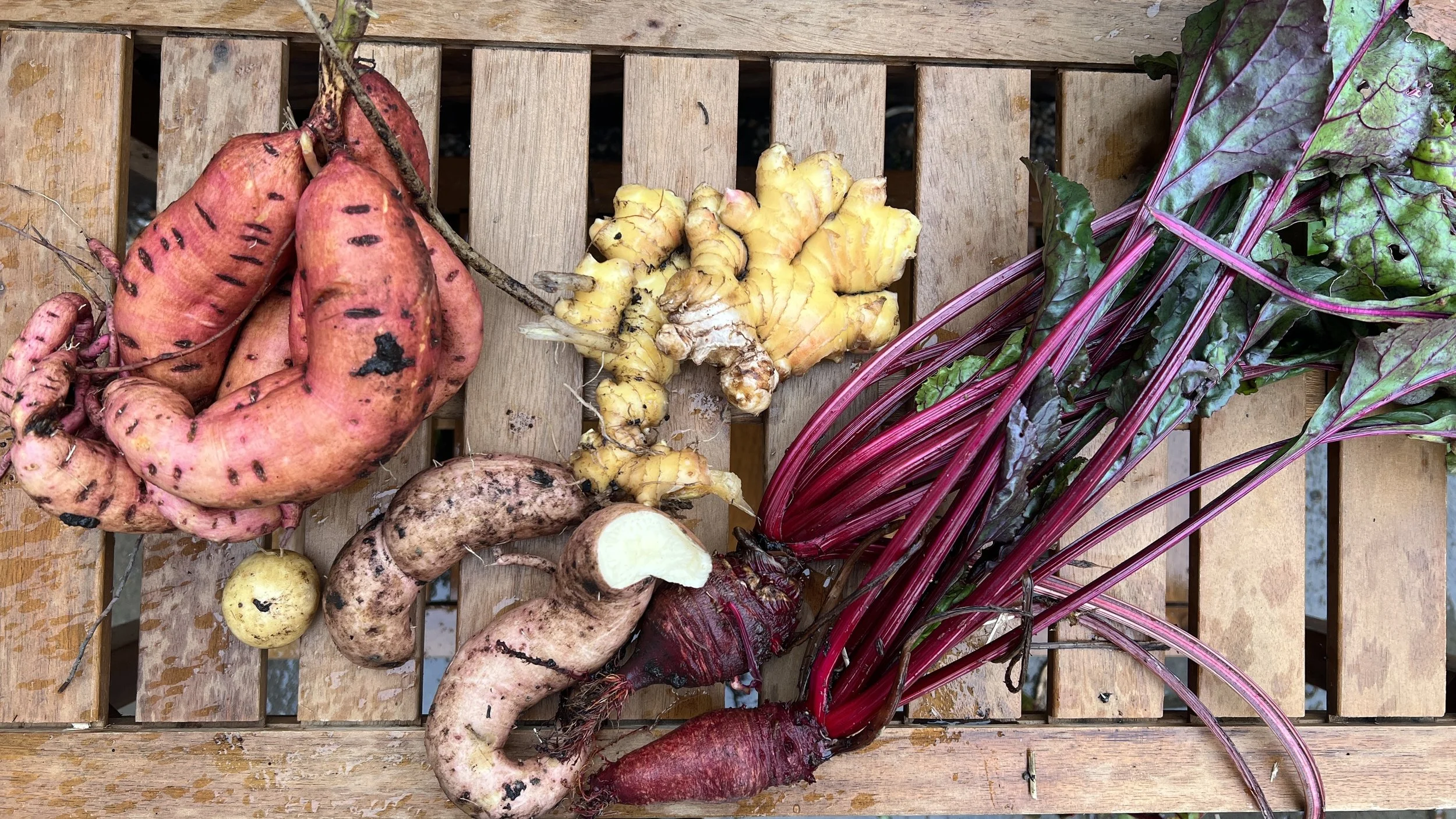
Numerous chemical processes are used to change its listing on the ingredient panel from from beet to sugar, which changes how the body breaks it down. This is what wreaks havoc on every level of our health, causing inflammation and disease. Beets themselves carry many benefits to our health but when changed into sugar, it becomes an antagonist.
Have you ever thought about the impact of sugar on your body?
Sugar seems so sweet and innocent, yet it slowly deteriorates the body over time. It lowers the immune system for several hours after consumption, fuels free radical cells to increase cancer cell production and causes inflammation all over the body, which is the cause of just about every known disease.
Cut out sugar and you have already started on a journey towards better health. That to say, sugar substitutes are not the answer either but that is for another post. I should mention after all the sweet talk, I still love to enjoy sweet treats here and there. I just use different ingredients that aid in my over all health.
If this happens to pique your interest and you want to dive deeper into the impacts of sugar here are a few resources I have found helpful. Attached are Amazon links but over the last few years I have become a huge Ebay used book fan. You can probably find them at your local library, too.
Create + LEARN
To integrate learning and creativity, I turned my sugar beet doodles into a food profile coloring page with lots of fun facts about the benefits of sugar beets. Did you know it aids the heart, brain and liver through potent antioxidant and anti-inflammatory detoxification properties, stimulates liver detox process and contains cancer-fighting agents?
Print on plain paper, card stock or watercolor paper depending on what medium you would like to use. For personal use only.